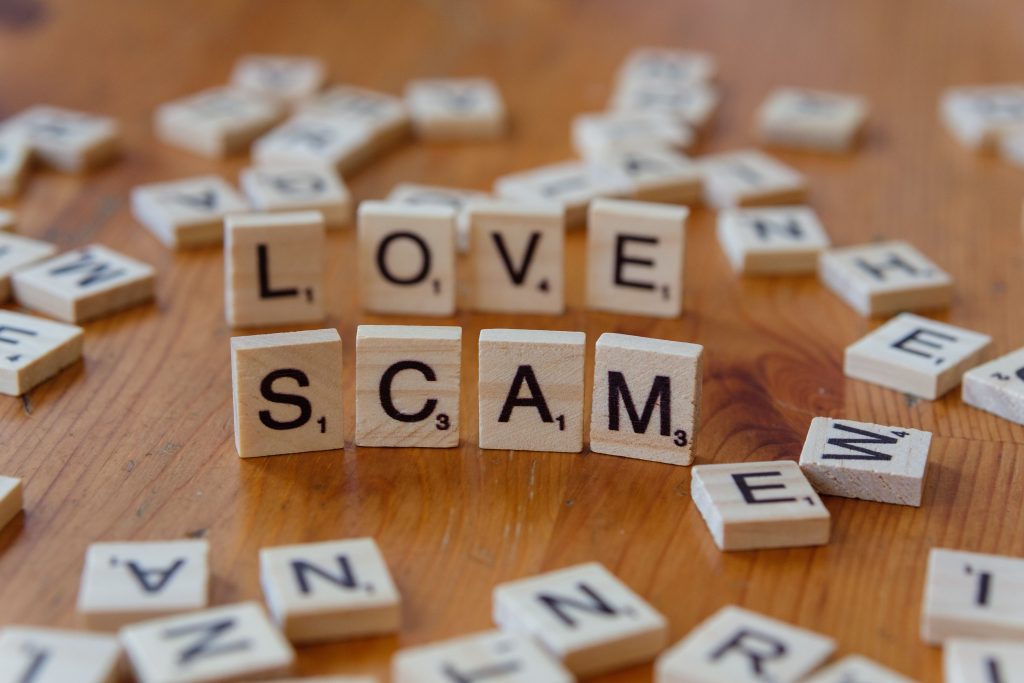

Addressing the Growing Threat of Scam Advertisements on Facebook: A Deep Dive into the Hidden Dangers
In recent years, the proliferation of scam ads on Facebook has become an increasingly alarming issue that often goes underreported. While many users have had personal experiences with these deceptive promotions, few discuss the scale and sophistication of the problem. This article aims to shed light on the pervasive nature of Facebook scam advertising, its evolution over time, and the profound impact it can have on individuals and small businesses alike.
The Ubiquity of Facebook Scam Ads
Most Facebook users will encounter scam ads at some point—whether they realize it or not. These advertisements often promote seemingly irresistible deals on high-value items, such as smart suitcases, gadgets, or clearance pallets. For instance, a typical scam might feature a video ad for a “must-have” carry-on suitcase equipped with USB charging ports, offered at an unbelievably low price of around $30. After clicking, users receive minimal or poorly written confirmation emails, sometimes accompanied by quirky images like a puppy with a duckling—a humorous giveaway that something is amiss.
Behind the scenes, these ads are part of sophisticated networks that run countless campaigns daily, generating six to seven figures in revenue each day. The operators behind these schemes leverage the scalability of Facebook’s advertising platform, turning small investments into highly profitable ventures through a simple but ruthless formula: mass advertising and relentless targeting.
Evolving Scams: From High-Value Hoaxes to Copycat Sites
The tactics employed by scammers have evolved significantly over time. Around 2017-2018, most scam ads focused on enticing users with fake deals on high-value items, only to send counterfeit shipping details before vanishing. Their primary goal was to maximize reach quickly before platforms shut down their storefronts.
As platforms like PayPal started implementing stricter account verification and fund-holding measures, scammers adapted. They adopted strategies such as ‘warming up’ new accounts with legitimate transactions or sending low-cost junk items to generate tracking numbers. These bait-and-switch schemes, often involving products stolen from platforms like Etsy or Kickstarter, continue to be prevalent.
More recent developments include the creation of fake ‘Amazon clearance’ or ‘mobility scooter’ ads, often priced far below market value. Seasonal scams, such as horror masks during Halloween, also appear regularly, replacing genuine products with low-quality rubber masks. These advertisements are designed to lure victims into costly traps over time, with some sophisticated schemes systematically draining their credit cards.
The Impact on Individuals and Entrepreneurs
Beyond individual consumers, small business owners and entrepreneurs are also targeted. Many unwittingly build online stores around products stolen or replicated by scam networks. For example, some scammers will copy a legitimate Facebook page and Shopify store, then run high-budget ads promoting a product at a significantly lower price—causing confusion, loss of revenue, and damaged reputation for the legitimate seller.
In one notable case, an entrepreneur’s moderately successful online store was swiftly dismantled when scammers duplicated the entire platform, including video ads and product listings. Victims often receive counterfeit items, such as a single pen when they ordered a multi-piece set, further eroding trust and causing financial losses that can reach into the thousands.
The Broader Ecosystem and the Role of Big Tech
Meta (Facebook’s parent company) and payment processors like PayPal benefit economically from these scam ads. Meta generates substantial advertising revenue from campaigns that, while legal on the surface, often facilitate fraud on a massive scale. The lack of rigorous verification processes allows scam networks to operate with relative impunity, despite calls from users and smaller groups for tighter controls.
Efforts to combat these schemes—such as forming awareness groups or petitioning for stricter Know Your Customer (KYC) checks—have often met resistance or retaliation. For example, many individuals attempting to raise awareness have faced account restrictions, and in some cases, permanent bans, stifling efforts to combat these scams.
A Personal Perspective on the Damage
Personal stories underscore the seriousness of the issue. Entrepreneurs who venture into online sales can find their businesses sabotaged overnight. One case involved a toy drawing set that was gaining traction before scammers replicated and undersold it en masse. The scammers ran high-budget campaigns, leading to a flood of negative customer feedback and confusion, ultimately forcing the legitimate seller to close shop and lose substantial investment.
In more disturbing instances, investigations have traced some of these scam networks back to organized crime groups operating in regions like Hong Kong, highlighting the substantial financial and legal risks involved. This complexity makes it nearly impossible for sole individuals or small groups to fight back effectively.
Conclusion
The epidemic of scam advertisements on Facebook reflects a broader cybercrime ecosystem that continues to adapt and grow. While platforms and payment providers could implement more robust security and verification measures, the scale of these operations suggests that significant change requires systemic reform and increased vigilance.
For users, entrepreneurs, and small business owners, awareness is key. Recognizing common scam tactics—such as suspiciously low prices, fake tracking information, and copycat websites—can help mitigate risk. However, ultimately, a collective effort involving tighter platform regulations and consumer education is necessary to combat this pervasive threat.
As the landscape continues to evolve, staying informed and cautious remains the best defense against falling victim to these increasingly sophisticated scams.